Illuvium Sets July 25 Mainnet Launch for Its Interconnected Gaming Universe
Illuvium Labs confirmed its interconnected gaming universe—Overworld and Arena—will transition to Mainnet on July 25, following a successful final stress test.
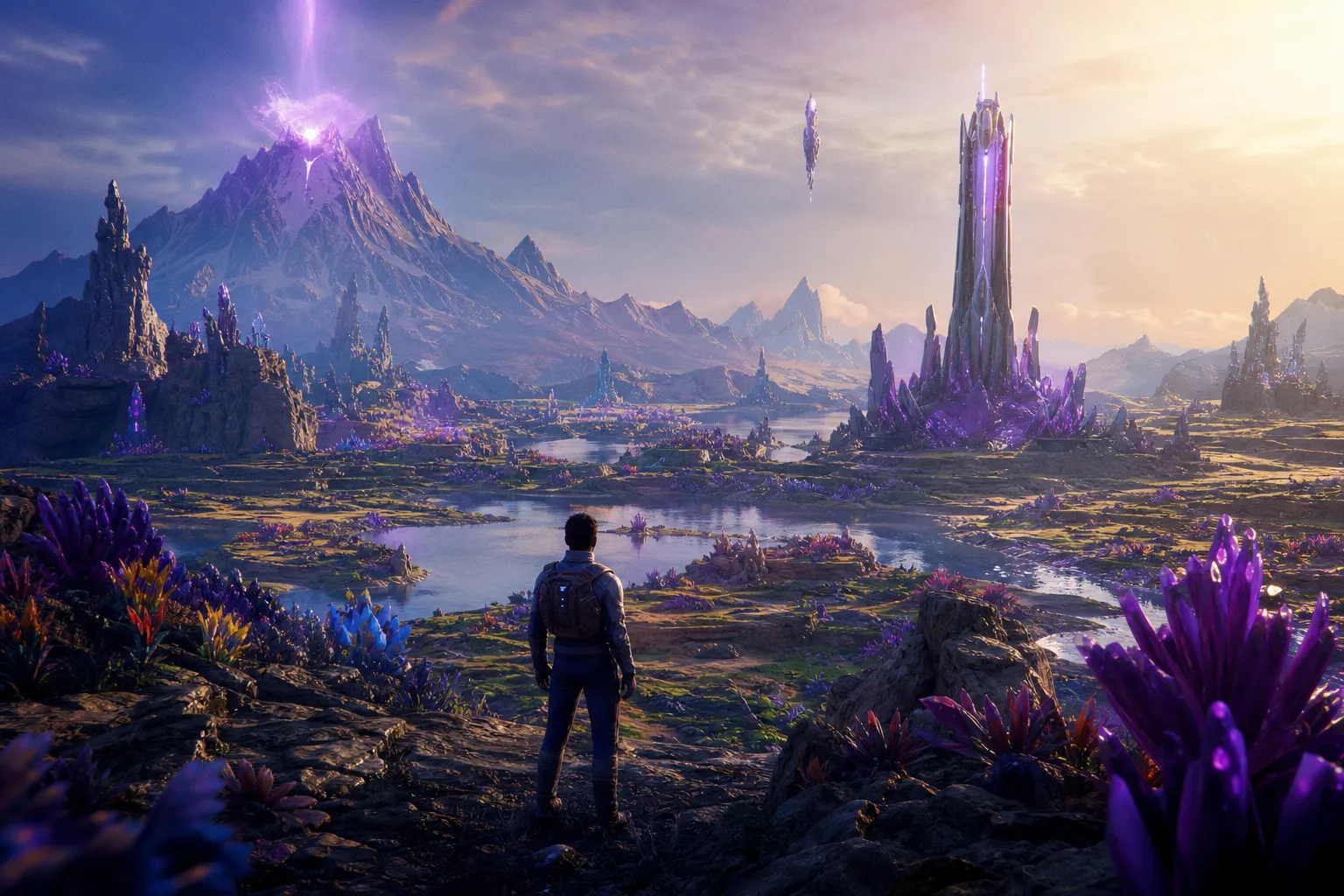
Illuvium Locks July 25 Mainnet for Open Beta Universe
The date pins down a milestone the studio has been iterating toward through multiple testnet phases: a unified on-chain environment where creature collection, auto-battler mechanics, and open-world exploration share a single settlement layer. For GameFi developers tracking production-grade rollouts, this is one of the few titles moving from perpetual beta into an economically live state with both PvE and PvP loops running on-chain.
What's Actually Changing on July 25
The "mainnet transition" means player-bound assets, match results, and resource flows that previously settled on test infrastructure will now hit Ethereum L2 finality. Assuming the stress test data holds, the studio is betting that gas abstraction and state-channel batching—architectures Illuvium has discussed in prior engineering updates—can absorb the load of a live player economy without the latency spikes that plagued earlier open testing windows.
This isn't a new game launch; it's an infrastructure upgrade. Overworld (the explorable map) and Arena (the competitive mode) already exist as playable clients. What shifts is the settlement rail beneath them: NFT minting, ILV token sinks, and leaderboard rewards all move to production contracts. The practical implication for asset holders is straightforward—any Illuvials, cosmetics, or land parcels accumulated during testnet may now carry mainnet economic weight, but the team has not detailed a migration or snapshot mechanism in the snippets available.
Broader Market Signal: GameFi Shipping Season
Illuvium's timing sits inside a dense window of GameFi mainnet and token events. Pixelcraft Studios confirmed Aavegotchi's dedicated gaming L3, Gotchichain, will use the OP Stack and settle on Coinbase's Base network to streamline player onboarding. Nyan Heroes, a Solana-based hero shooter, listed its NYAN token on centralized exchanges after pulling 200,000 players through an alpha playtest. And Notcoin—the Telegram-native clicker—launched NOT on Binance, OKX, and Bybit, reaching a billion-dollar valuation off an airdrop to 35 million participants.
The pattern is clear: studios are converging on mainnet simultaneously, each optimizing for different stack decisions—L2 rollups, L3 appchains, Solana SVM, or TON-adjacent distribution. Illuvium's Ethereum L2 approach contrasts with Aavegotchi's appchain pivot and Nyan Heroes' Solana-native architecture. These are divergent bets on where gaming throughput and user acquisition actually settle at scale.
What Practitioners Should Track
Three signals matter after July 25. First, transaction throughput under live conditions: does the state-channel model hold, or do players hit confirmation delays during peak Arena queues? Second, ILV token velocity: with sinks now real, does the tokenomics design sustain buy pressure or does mercenary capital rotate out post-launch? Third, developer integrations: Illuvium's interconnected universe model assumes third-party tooling can hook into its asset layer—watch for SDK availability and RPC node documentation updates.
The broader context is worth noting as well: automated trading infrastructure is maturing in parallel with GameFi's mainnet wave, with exchanges like Bybit rolling out AI-managed trading accounts that could eventually interface with in-game asset markets. Token velocity in play-to-earn economies increasingly depends on arbitrage and automated market-making at a speed humans don't operate—making the intersection of bot infrastructure and gaming tokenomics a design constraint studios can't ignore.
For teams building adjacent protocols or evaluating Illuvium's asset layer for composability, the next two weeks are a live stress test worth monitoring at the RPC level.